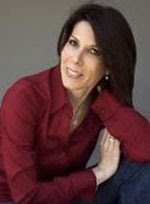
by Andrea Campbell
I am happy to share this interview with my friend and Women in Crime Ink colleague Kathryn Casey about the release of her new true crime book: Shattered
Q: Kathryn, for WCI readers who don’t know you that well, can you tell us a little about your background?
KC: I began as a magazine writer in the mid-eighties, and wrote for a lot of the national magazines, Reader’s Digest, TV Guide, Ladies Home Journal, MORE, Seventeen, and Rolling Stone. As a reporter, I profiled celebrities, wrote about all kinds of subjects, including lifestyles and health. But from the beginning, I had a knack for investigating and writing about criminal cases. In the mid-nineties, I began writing true crime books, and I’ve done that ever since, adding crime fiction two years ago with the debut of Singularity, the first in my Sarah Armstrong mystery series.
Q: Since today we're talking about Shattered, would you give us the set-up or a brief synopsis?
KC: The murder took place in 1999. David Temple was a former Texas football star, high school and college, working as a teacher and coach in a Houston suburb. He and his wife, Belinda Lucas Temple, were college sweethearts. She was bright, beautiful, and a beloved teacher, and they had one child, a toddler named Evan. To those on the outside, they appeared the perfect, happy family. But behind the scenes, that was far from reality. Belinda was eight months pregnant with a baby girl, Erin, on that January morning David called 911, claiming he’d discovered her shot through the head in the master bedroom closet. From the beginning, the investigators suspected David was the killer. There were too many signs at the home that the scene had been staged. Then, they focused even more tightly on him after discovering that he was carrying on an affair with a beautiful young English teacher. But this was a complicated and frustrating case. In the end, it would take  nine years to bring David Temple into a courtroom.
Q: Kind of a two-part question here: How do you choose your projects, and what elements do you look for? Also, have you started working on a book project that fell through for any reason?
KC: When it comes to true crime, I look for cases with lots of twists and turns, ones that will resonate with my readers. I spend a year on each book, often conducting a hundred or more interviews, so it’s a long road. With that in mind, I look for a case that will hold my interest, one I care about, and one, I hope, that will explore something about our society or the human condition. I strive to see the big picture through the lens of the case I’m studying. The Temple case, for instance, sheds a light on intimate partner homicide, particularly involving pregnant women. This is a horrendous problem, one virtually ignored until this past decade, with the sensational Scott Peterson trial. I can’t say that I’ve had a book fall through. I guess I’ve been pretty lucky.
Q: What type of background work do you do to begin, and how do you find your interview subjects?
KC: It’s a big commitment, but I go to the trials. Sometimes this can translate to six weeks or more living in a hotel room and long days in the courtroom, but for me, it’s necessary. I want to be there, with the families and jurors and the defendant, listening to the evidence. Once the trial is over, I use what I’ve learned as the foundation to begin my own investigation, seeking more evidence from those who’ve taken the stand. These people, connected with the case, often suggest others, and I fan out, talking to everyone willing to talk to me, finding out all I can about those involved and the events that fell into place leading up to and following the murder.
Q: Obviously you are digging into the lives of victims and those accused, their families, and the criminal justice professionals involved. How do you get cooperation? Also, do you let their emotions change your point of view or the way the story is told?
KC: I’ve found over the years that most people involved in such tragedies want to tell their stories. I never assume that someone won’t talk to me. Many will still be trying to figure out why things happened, and talking to me, cooperating so that the book is accurate, is one way to make that possible. The only way I can depict a case fairly and accurately is to talk to everyone involved who is willing to talk to me, and I do that. I try to keep an open mind. People are sometimes falsely accused and even convicted, so it’s important not to presuppose that a guilty verdict means the person actually committed the crime.
It’s difficult not to identify with the families whose lives have been torn apart by these tragedies. I often ache for all they’ve been through. I see their suffering as part of the story, and I include it in the book. It’s important to understand how devastating murder is, what it does to all those involved. It’s the most horrendous of acts, the taking of a life, and to treat it without emotion is to become desensitized to the pain. That said, the evidence is the evidence, and the events that lead up to the murder aren’t written by me but by those involved. When I write a novel, I construct the plots. But when it comes to true crime, I’m a chronicler, who researches and pulls together the evidence to paint the picture, to explain what happened and why.
Q: Have you ever done a prison interview?
KC: Many times, for magazines and books. It can be a chilling experience. It’s more than unsettling to sit across from someone who describes in detail how he or she has committed a horrendous crime. I’m often amazed at how skimpy the motives are and how calm and collected the killer can be while describing a victim’s final moments. Yet most of those I’ve interviewed, even years after their convictions, maintain their innocence. Do I believe them? As I said before, I do my best to give them the benefit of the doubt. I listen to what they tell me, ask them for anything I can research to bolster their claims, and afterward I follow through, looking for evidence that contradicts the guilty verdict.
Q: What is on the horizon for Kathryn Casey?
KC: I have a third Sarah Armstrong novel, The Killing Storm, coming out on October 26th. I’m very excited about the book. I love this character. Sarah is a Texas Ranger/profiler, a single mom. Since inventing her, I’ve put that poor woman through hell. In the first book, Singularity, she tracked a serial killer. In the second, Blood Lines, she was charged with saving a teen pop star from a perverse and deadly stalker, and in The Killing Storm, Sarah will have to fight her way through a hurricane to save the life of an innocent child.
Q: Do you have a blog?
KC: I have one associated with my Web site, www.kathryncasey.com, where I occasionally write about what I’m doing, a little bit about my personal life and writing. I’m also proud to say that I’m one of the founders of Women in Crime Ink.
Q: Is there anything else you would like to tell WCI readers?
KC: I’d like to thank everyone who reads my books, especially those who recommend them to others. Word of mouth is truly the best way to spread the word. Thanks all of you! Please keep reading: I really do enjoy the writing!
Showing posts with label author. Show all posts
Showing posts with label author. Show all posts
Monday, September 13, 2010
Interview with Kathryn Casey about her latest true crime book: Shattered


Monday, November 9, 2009
Handwriting Analysis: An Interview with Sheila Lowe
 by Andrea Campbell
I studied handwriting analysis extensively and wrote a novel about a handwriting analyst character over 14 years ago, but could never get it published. Today I’d like you to meet our guest, Sheila Lowe, who has managed to do what I could not. (Sheila Lowe, pictured at left)
Q.: Sheila, for readers who don’t know you, could you talk a little about your background as a forensic handwriting specialist?
A.: I started studying handwriting more than 40 years ago while I was in high school, and subsequently spent 10 years reading every book I could find on the subject. Finally, I discovered Charlie Cole, an expert who taught correspondence courses in graphology, which I greedily devoured. I became certified by the American Handwriting Analysis Foundation in 1981 and four years later became qualified in the court system to testify as an expert in the field of handwriting. Dare I use a cliché and say, “the rest is history”?
 Q.: What is the difference between graphology and handwriting analysis?
 A.: Graphology is the generic term for handwriting analysis; however, the study of handwriting is generally broken into two different areas: personality assessment and handwriting authentication.
Q.: How are these disciplines used?
Q.: How are these disciplines used?
A.: Graphology is the study of handwriting to learn about behavior and personality—which includes the effects of life experiences on handwriting, as well as of illness, medications, aging, drugs, etc. Another aspect of handwriting analysis is forensic handwriting authentication, which is used in cases involving forgery. So, if you want to get better insight into your own or someone else’s motivations and needs, graphology can help. If someone has stolen your identity and forged your name, you need a handwriting analyst trained in the authentication side. Some analysts do one or the other, some (like me) do both.
Q.: Graphology gets a bad rap; can you explain?
Q.: Graphology gets a bad rap; can you explain?
A.: Because there is no licensing and no controls over the practice, anyone can set up shop and start analyzing handwriting after reading a book or two. There are thousands of web sites hawking graphology, many of them by people who would not be able to get a license, if only there were a requirement to get one! They have done a great deal of harm to the field and their clients. Also, there’s long been a misconception that graphology has something to do with fortune telling or occult arts. It doesn’t.
Q.: Will you talk about some of the characteristics an expert can discern using handwriting analysis?
A.: The general categories I cover in a personality profile include ego needs and ego strength, social attitudes, thinking style, fears and defenses—things like that. A lot depends on the purpose of the analysis. If I’m doing a report for an employer who has sent me handwritings of applicants, I would examine the areas specific to the job description. If the report were for a couple getting married, or for a mid-life career change, or for a child custody issue, the focus would be different.
Q.: Let’s get to your writing. What are your books? May we have a mini-synopsis?
A.: I write both non-fiction and fiction books. My non-fiction works are The Complete Idiot’s Guide to Handwriting Analysis (Alpha), which teaches the gestalt method of graphology and is like a mini course, and Handwriting of the Famous & Infamous (Thunder Bay), which has my thumbnail sketches of the handwritings of 75 well-known people from Galileo to the Son of Sam, from John Lennon to Hillary Clinton, and a whole lot of others. I also write mystery fiction — The Forensic Handwriting Mystery series (Penguin’s Obsidian) featuring forensic handwriting expert Claudia Rose. Dead Write, the third book in the series, was recently released, and I’ve just finished the next book, Unholy Writ, for release next year.
 Guide to Handwriting Analysis (Alpha), which teaches the gestalt method of graphology and is like a mini course, and Handwriting of the Famous & Infamous (Thunder Bay), which has my thumbnail sketches of the handwritings of 75 well-known people from Galileo to the Son of Sam, from John Lennon to Hillary Clinton, and a whole lot of others. I also write mystery fiction — The Forensic Handwriting Mystery series (Penguin’s Obsidian) featuring forensic handwriting expert Claudia Rose. Dead Write, the third book in the series, was recently released, and I’ve just finished the next book, Unholy Writ, for release next year.
Q.: Who is your protagonist and what type of character is she?
A.: Claudia Rose is a modern single woman entering her forties, who, in the first book, Poison Pen, becomes involved with LAPD detective Joel Jovanic. Her handwriting analysis practice brings her in touch with crimes such as forgery, and using what she knows, she’s better able to understand the people, both good and bad, who are involved. Claudia has a hard time staying detached in cases where kids are in jeopardy, which is the case in Written in Blood and Unholy Writ. She’s warm and compassionate, but she’s learning to be tough when she needs to be. And she’s learning to allow herself to open up in a love relationship — one of her big challenges at the beginning of the series.
Q.: Do you use the misconceptions about handwriting analysis in your books?
A.: Claudia Rose is a modern single woman entering her forties, who, in the first book, Poison Pen, becomes involved with LAPD detective Joel Jovanic. Her handwriting analysis practice brings her in touch with crimes such as forgery, and using what she knows, she’s better able to understand the people, both good and bad, who are involved. Claudia has a hard time staying detached in cases where kids are in jeopardy, which is the case in Written in Blood and Unholy Writ. She’s warm and compassionate, but she’s learning to be tough when she needs to be. And she’s learning to allow herself to open up in a love relationship — one of her big challenges at the beginning of the series.
Q.: Do you use the misconceptions about handwriting analysis in your books?
A.: Yes. Claudia regularly has to answer the same questions and misconceptions that I do. I hope the series will help clear things up.
Q.: Does your character go into the courts?
A.: In Written in Blood there is a major courtroom scene that is very similar to testimonies I’ve given in my own practice. Claudia has to face the same challenges and stress of testifying that I do.
Q.: On the business side, how did you find a publisher? Did you start with an agent?
A.: I’ve had seven agents, and now I have a good one. I sold my fiction books and the first two mysteries on my own. It’s a lot easier to sell non-fiction without an agent, but I did a lot of studying on how to go about it before setting out. In fact, I read The Complete Idiot’s Guide to Getting Published, and following its guidelines may have made the difference. I tried for a long time and, as I said, a number of agents, to sell my first mystery, Poison Pen, to a major publishing house. Finally, I had an offer from a small startup publisher, Capital Crime. They got the book reviewed in Publisher’s Weekly. I was lucky enough to get a starred review, which attracted the attention of my then-editor at Penguin, who made an offer for the first two books, and later, two more.
Q.: What can you tell us about your publisher and your experience (e.g., contract, editing, promotion, anything such as that) with them?
A.: Considering my good experience with a small press (for fiction), I encourage anyone having difficulty getting picked up by a large publishing house to try them. You’ll have control over cover art and work closely with your editor. At large houses, you’re likely to get your book cover with a note that says, “Here’s your cover. We hope you love it as much as we do.” Luckily, so far, I have! Regardless of the size of your publisher you will be expected to promote the book yourself (and pay for the promotion yourself). If you’re not willing and able to do that, don’t even bother looking for a publisher. They need to know that you’re willing to invest your (probably small) advance in promotion. That means creating a web site and/or blog, printing bookmarks, attending conventions and speaking on panels, visiting bookstores, etc. One note about bookstores: unless you have a very well-known name, book signings tend to be a waste of time and the big box stores discourage them. It’s often more effective just to do a “drop-in” signing. Call in advance to make sure they have your books in stock.
Q.: Do you have any advice for writers who want to break into the field?
A.: Learn your craft. If you’re writing genre fiction, find out what the rules are so that you can break them. Get into a critique group in your genre, hire a private editor to read your material, and listen to what that editor has to say about your work. Oh, and leave out most of the adverbs (those pesky “ly” words that make the writing weak).
A.: Considering my good experience with a small press (for fiction), I encourage anyone having difficulty getting picked up by a large publishing house to try them. You’ll have control over cover art and work closely with your editor. At large houses, you’re likely to get your book cover with a note that says, “Here’s your cover. We hope you love it as much as we do.” Luckily, so far, I have! Regardless of the size of your publisher you will be expected to promote the book yourself (and pay for the promotion yourself). If you’re not willing and able to do that, don’t even bother looking for a publisher. They need to know that you’re willing to invest your (probably small) advance in promotion. That means creating a web site and/or blog, printing bookmarks, attending conventions and speaking on panels, visiting bookstores, etc. One note about bookstores: unless you have a very well-known name, book signings tend to be a waste of time and the big box stores discourage them. It’s often more effective just to do a “drop-in” signing. Call in advance to make sure they have your books in stock.
Q.: Do you have any advice for writers who want to break into the field?
A.: Learn your craft. If you’re writing genre fiction, find out what the rules are so that you can break them. Get into a critique group in your genre, hire a private editor to read your material, and listen to what that editor has to say about your work. Oh, and leave out most of the adverbs (those pesky “ly” words that make the writing weak).
Q.: Is there anything you would like to tell WCI Readers?
A.: Buy books! Whether they’re traditional books that you can cuddle up in bed with, or a Kindle that you can take on a plane (where I’m writing this, on my way to Bouchercon, a mystery convention), support your favorite authors. When someone tells me, “I love your books. I pass them around to all my friends,” I remind them that authors don’t get royalties on borrowed books, and it’s those royalties that allow authors to keep on writing the stories they love to read.
Thank you, Sheila.
Thank you, Sheila.
http://www.sheilalowe.com/ for handwriting analysis;
Tweet
Tuesday, September 8, 2009
Jan Burke and the Crime Lab Project
 by Andrea Campbell
My friend and colleague, Jan Burke, is the author of 12 novels and a collection of short stories. Her most recent novel is the supernatural thriller, The Messenger. Her works of crime fiction include Bloodlines, Flight, and the Edgar-winner for Best Novel, Bones. Her books have appeared on the USA Today and New York Times bestseller lists, been published internationally, and optioned for film. Her short stories have won the Macavity, the Agatha, and the Ellery Queen Readers Award. She will be a guest of honor, with Lee Child, at Left Coast Crime 2010 in Los Angeles.
Q: Jan, for Women in Crime Ink readers who don’t know you, can you please tell us a little bit about your background?
I'm finishing work on my 14th book. Most of my books are crime fiction, although the most recent, The Messenger, is a supernatural thriller. The one I'm writing now is another in the Irene Kelly series, something of a sequel to Bones.
Q: You’ve been quite successful as a mystery author. Would you talk about your latest books? Who is the character? What is their mission or goal?

In The Messenger, the hero is Tyler Hawthorne, who lay dying on the battlefield after Waterloo when he was offered a ring that would make him a Messenger — able hear the thoughts of the dying and convey their messages to their loved ones. Tyler accepts the bargain to become a near-immortal, forever 24 in appearance. We met him almost 200 years later in Los Angeles, by which time he has come to realize it wasn't such a good deal. Except for the company of Shade — a cemetery dog — he has led a nomadic and solitary life throughout those centuries.
The dying also convey messages to Tyler, and now they are hinting that his long service may be coming to an end. He begins to hope that he can return to a normal, mortal life, and allows himself to grow closer to a woman he has been strongly attracted to — unaware that he is being pursued by an old enemy who will stop at nothing to destroy him, nor that he can only leave his role of the Messenger at a terrible cost.

Q: I’m happy to have you here to talk about a key project of yours: the Crime Lab Project. Please explain what it is and how you got involved.
The Crime Lab Project is a nonprofit that raises public awareness of the problems and challenges facing public forensic science. We see the lack of support given to labs as a matter that has a growing negative impact on many areas, including law enforcement, criminal justice, health, public safety, and national security. It's costly, both in human suffering and economically.
Many people who are devoted fans of forensic science-themed shows and novels imagine forensic science labs to be ultra-modern, fully staffed by highly trained techs who whip out results almost as fast as the evidence comes in the door. The reality is far from this pleasant picture, and we need to wake up.
I got the bucket of cold water tossed on me in 2003. I was teaching a weekend class with a forensic scientist and a homicide detective. I learned — to my shock — that in many parts of the country, DNA was not being used to solve most rapes and murders. Yes, you read that right. Even when DNA evidence had been collected and sent to labs, those labs were so overwhelmed and underfunded that it took six months, a year, or even longer to get lab results.
So detectives were spending many hours on investigations without the help a lab could give them, time that might otherwise have been used on a case without physical evidence. Prosecutors spent hours preparing cases, all the while praying the tests would be completed by the trial date. Detectives and prosecutors hoped that at that point, the evidence would not show that for months (or longer), they had the wrong person in custody.
That same year, in October, I was asked to speak at the American Society of Crime Lab Directors. During that meeting, I heard these same stories again and again. I realized there was a way to "pay it forward" in response to forensic scientists' generosity to writers: writers were often before the public, and we could tell people about these problems. So I called a few friends, and by the time I spoke, I promised ASCLD that we would try to raise awareness. Within a few months, with the help of many of my colleagues in crime fiction, the CLP was born.
We have made progress, but there are still, as of this writing, hundreds of thousands of backlogged cases in the U.S.
Q: Most citizens are completely unaware of their own state’s medical examiner/coroner system and how it works. Is that why you created Forensic Friday: The Death Quiz? What type of feedback have you gotten on it?
Yes, we hope that taking the quiz will be help those who take it to get a sense of what is really going on out there. Death investigations affect so many areas of our lives, not just the solving of crimes. The fact is, in a large percentage of jurisdictions, those in charge of death investigations have received little or no training. ME/C offices are horribly underfunded. Really, it's a shameful situation.
People sometimes say, "Well, what the hell, the dead don't care!" But if you stop to think about it, almost everything the ME/C's office does is on behalf of the living. We pay a big price for our neglect. We mention some of the consequences in the quiz.
As for the quiz itself, the feedback has been great! Most people say, "Thank you! I failed it, but I learned a lot." It's not surprising that most people fail — few of us have seen the reality. We hope those who take it will spread the word about it!
Q.: You do a host of other things to draw attention to the sad state of affairs in crime labs around the country. Would you share some with us?
In addition to the blog, we have a web site, a presence on Facebook and Twitter, and a weekly news list. We have sponsored email campaigns that alert our members and others of pending legislation affecting forensic science, and have seen them make a difference. We have provided speakers and helped with forensic science programming at conferences and conventions. We've created handouts and pamphlets. We've worked with organizations to sponsor forensic science events. Several mystery conventions, especially Bouchercon and Left Coast Crime, have been very supportive.
Sisters in Crime and Mystery Writers of America have both endorsed the CLP and generously allowed us to publish articles in their newsletters and be a part of some of their events. Members have written letters to the editors of their local papers and blogged about the topic, or mentioned it in interviews. Many of our members are also seeing the storytelling potential here — working backlogs, underfunding, and other problems into their stories and scripts. We've also maintained relationships with ASCLD and other forensic science professional organizations, who have been very helpful.
The CLP Foundation, a 501(c)3 nonprofit that supports our educational and charitable efforts, has allowed us to donate to labs and research, to sponsor educational events, and to provide scholarships to train death investigators.
Q.: I receive a mailing from you called CLP News. Please explain what that is. Also, is it difficult to keep up this newsletter? Do you have help and how do you manage to do it all?
CLP News is a weekly email newsletter containing brief descriptions and links to a selection of news stories about forensic science. It's free. Anyone may sign up for it by sending a blank email to http://www.blogger.com/CLPNews-subscribe@yahoogroups.com
After five years, I've got a system. As the director of the CLP and a crime writer, this is information I would need to be aware of in any case, so preparing it helps me to stay informed. Our members also send me links when they see articles of interest.
Q: What is your mission with getting involved in distributing crime lab information? What do you hope to gain?
Personally? The knowledge that I made a difference and helped others to make a difference, too. Families of victims have thanked us, and that is more than enough reward for me.
Here's the great news: this situation with forensic science can change. We can bring about that change for relatively little investment. Updating and staffing labs may seem expensive, but compared to other costs in the criminal justice system these are miniscule.
Think also about the costs of delayed trials, the cost of housing suspects for prolonged jail time s while tests are being conducted, the cost of investigations when detectives don't really have this powerful tool available to them, the cost of misdiagnosed causes of death, the cost of property loss committed by burglars who might be identified on a first or second break-in rather than a 20th, the cost of not identifying criminals as they enter the country. This list goes on and on. And it does not begin to cover the suffering and emotional costs to victims and their families.
What do I hope to gain? Ultimately, all the good that forensic science at its best can bring to our communities. I hope to see improvements in forensic science — improvement in the ability of our labs to provide it, in the quality of the work, in the efficiency with which it is provided.
Q: Is there anything else you would like to tell Women in Crime Ink readers?
Thanks — I'm grateful for this chance to talk to you, and I hope you will spread the word. Join us! Our membership is free and open to everyone who is willing to help. Most important of all —call or email your Co ngressional Representatives and Senators and tell them forensic science matters to you!
Q: Jan, for Women in Crime Ink readers who don’t know you, can you please tell us a little bit about your background?
I'm finishing work on my 14th book. Most of my books are crime fiction, although the most recent, The Messenger, is a supernatural thriller. The one I'm writing now is another in the Irene Kelly series, something of a sequel to Bones.
Q: You’ve been quite successful as a mystery author. Would you talk about your latest books? Who is the character? What is their mission or goal?

In The Messenger, the hero is Tyler Hawthorne, who lay dying on the battlefield after Waterloo when he was offered a ring that would make him a Messenger — able hear the thoughts of the dying and convey their messages to their loved ones. Tyler accepts the bargain to become a near-immortal, forever 24 in appearance. We met him almost 200 years later in Los Angeles, by which time he has come to realize it wasn't such a good deal. Except for the company of Shade — a cemetery dog — he has led a nomadic and solitary life throughout those centuries.
The dying also convey messages to Tyler, and now they are hinting that his long service may be coming to an end. He begins to hope that he can return to a normal, mortal life, and allows himself to grow closer to a woman he has been strongly attracted to — unaware that he is being pursued by an old enemy who will stop at nothing to destroy him, nor that he can only leave his role of the Messenger at a terrible cost.

Q: I’m happy to have you here to talk about a key project of yours: the Crime Lab Project. Please explain what it is and how you got involved.
The Crime Lab Project is a nonprofit that raises public awareness of the problems and challenges facing public forensic science. We see the lack of support given to labs as a matter that has a growing negative impact on many areas, including law enforcement, criminal justice, health, public safety, and national security. It's costly, both in human suffering and economically.
Many people who are devoted fans of forensic science-themed shows and novels imagine forensic science labs to be ultra-modern, fully staffed by highly trained techs who whip out results almost as fast as the evidence comes in the door. The reality is far from this pleasant picture, and we need to wake up.
I got the bucket of cold water tossed on me in 2003. I was teaching a weekend class with a forensic scientist and a homicide detective. I learned — to my shock — that in many parts of the country, DNA was not being used to solve most rapes and murders. Yes, you read that right. Even when DNA evidence had been collected and sent to labs, those labs were so overwhelmed and underfunded that it took six months, a year, or even longer to get lab results.
So detectives were spending many hours on investigations without the help a lab could give them, time that might otherwise have been used on a case without physical evidence. Prosecutors spent hours preparing cases, all the while praying the tests would be completed by the trial date. Detectives and prosecutors hoped that at that point, the evidence would not show that for months (or longer), they had the wrong person in custody.
That same year, in October, I was asked to speak at the American Society of Crime Lab Directors. During that meeting, I heard these same stories again and again. I realized there was a way to "pay it forward" in response to forensic scientists' generosity to writers: writers were often before the public, and we could tell people about these problems. So I called a few friends, and by the time I spoke, I promised ASCLD that we would try to raise awareness. Within a few months, with the help of many of my colleagues in crime fiction, the CLP was born.
We have made progress, but there are still, as of this writing, hundreds of thousands of backlogged cases in the U.S.
Q: Most citizens are completely unaware of their own state’s medical examiner/coroner system and how it works. Is that why you created Forensic Friday: The Death Quiz? What type of feedback have you gotten on it?
Yes, we hope that taking the quiz will be help those who take it to get a sense of what is really going on out there. Death investigations affect so many areas of our lives, not just the solving of crimes. The fact is, in a large percentage of jurisdictions, those in charge of death investigations have received little or no training. ME/C offices are horribly underfunded. Really, it's a shameful situation.
People sometimes say, "Well, what the hell, the dead don't care!" But if you stop to think about it, almost everything the ME/C's office does is on behalf of the living. We pay a big price for our neglect. We mention some of the consequences in the quiz.
As for the quiz itself, the feedback has been great! Most people say, "Thank you! I failed it, but I learned a lot." It's not surprising that most people fail — few of us have seen the reality. We hope those who take it will spread the word about it!
Q.: You do a host of other things to draw attention to the sad state of affairs in crime labs around the country. Would you share some with us?
In addition to the blog, we have a web site, a presence on Facebook and Twitter, and a weekly news list. We have sponsored email campaigns that alert our members and others of pending legislation affecting forensic science, and have seen them make a difference. We have provided speakers and helped with forensic science programming at conferences and conventions. We've created handouts and pamphlets. We've worked with organizations to sponsor forensic science events. Several mystery conventions, especially Bouchercon and Left Coast Crime, have been very supportive.
Sisters in Crime and Mystery Writers of America have both endorsed the CLP and generously allowed us to publish articles in their newsletters and be a part of some of their events. Members have written letters to the editors of their local papers and blogged about the topic, or mentioned it in interviews. Many of our members are also seeing the storytelling potential here — working backlogs, underfunding, and other problems into their stories and scripts. We've also maintained relationships with ASCLD and other forensic science professional organizations, who have been very helpful.
The CLP Foundation, a 501(c)3 nonprofit that supports our educational and charitable efforts, has allowed us to donate to labs and research, to sponsor educational events, and to provide scholarships to train death investigators.
Q.: I receive a mailing from you called CLP News. Please explain what that is. Also, is it difficult to keep up this newsletter? Do you have help and how do you manage to do it all?
CLP News is a weekly email newsletter containing brief descriptions and links to a selection of news stories about forensic science. It's free. Anyone may sign up for it by sending a blank email to http://www.blogger.com/CLPNews-subscribe@yahoogroups.com
After five years, I've got a system. As the director of the CLP and a crime writer, this is information I would need to be aware of in any case, so preparing it helps me to stay informed. Our members also send me links when they see articles of interest.
Q: What is your mission with getting involved in distributing crime lab information? What do you hope to gain?
Personally? The knowledge that I made a difference and helped others to make a difference, too. Families of victims have thanked us, and that is more than enough reward for me.
Here's the great news: this situation with forensic science can change. We can bring about that change for relatively little investment. Updating and staffing labs may seem expensive, but compared to other costs in the criminal justice system these are miniscule.
Think also about the costs of delayed trials, the cost of housing suspects for prolonged jail time s while tests are being conducted, the cost of investigations when detectives don't really have this powerful tool available to them, the cost of misdiagnosed causes of death, the cost of property loss committed by burglars who might be identified on a first or second break-in rather than a 20th, the cost of not identifying criminals as they enter the country. This list goes on and on. And it does not begin to cover the suffering and emotional costs to victims and their families.
What do I hope to gain? Ultimately, all the good that forensic science at its best can bring to our communities. I hope to see improvements in forensic science — improvement in the ability of our labs to provide it, in the quality of the work, in the efficiency with which it is provided.
Q: Is there anything else you would like to tell Women in Crime Ink readers?
Thanks — I'm grateful for this chance to talk to you, and I hope you will spread the word. Join us! Our membership is free and open to everyone who is willing to help. Most important of all —call or email your Co
 ngressional Representatives and Senators and tell them forensic science matters to you!
Thank you for being my guest, Jan.
Jan is currently at work on a new Irene Kelly novel.
Website: http://www.janburke.com/
Tweet
Subscribe to:
Posts (Atom)